


- The story of a couple in Malaysia who set off for a cable car ride that… never existed
In today’s digital world, one viral video is enough to ignite the spark of adventure. But artificial intelligence is quietly reshaping the way we “dream” about travel — and sometimes, it creates destinations that exist only on screen.
An unbelievable story from Malaysia reveals the darker side of this new reality. An elderly couple from Kuala Lumpur drove for three hours to Perak to experience the “magical ride” of the Kuak Skyride — a supposed cable car featured in an impressive video on TikTok.
The problem? The cable car never existed.
“A cable car to nowhere”
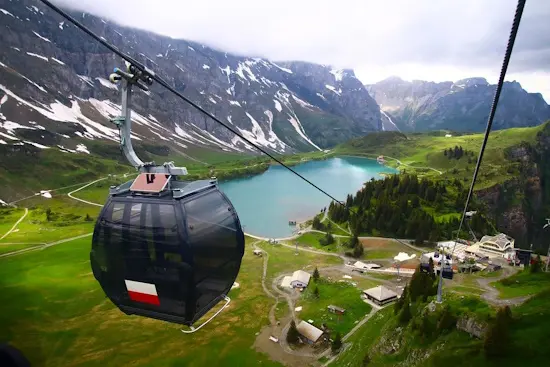
The video that misled the couple was a model of convincing production: an on-site reporter, happy tourists, natural sounds, high-resolution shots. Everything looked real.
But when the two travelers reached their destination, the locals looked at them in confusion. The Kuak Skyride didn’t exist — not in the mountains, not in brochures, not in anyone’s memory. The video, as hotel staff eventually explained, was generated by artificial intelligence: a fake reporter, synthetic voice, images and scenery entirely created by algorithms.
The disappointment turned to anger. The woman reportedly threatened to sue the “reporter” — before realizing that… there was no human behind the face she had seen on screen.
This incident is not unique. According to a report by Signicat, attempts at fraud via deepfakes increased from 0.1% in 2022 to 6.5% by the end of 2024 — meaning roughly one in 15 fraud cases involves fake content generated by AI.
In tourism, this means fictional destinations, fake excursions, and non-existent hotels that exploit people’s longing to escape. And as technology advances — with tools like Midjourney and Sora — it becomes increasingly harder to tell truth from deception.
From selfies to synthetic influencers
The root of the problem lies in social media. Travel decisions today are no longer guided by maps or travel guides, but by algorithms. The “selfie tourism” trend has turned entire cities into backdrops.
In Hallstatt, Austria — the village that inspired Frozen — residents protest against the “overtourism” caused by social media. In Italy, Portofino now imposes fines of up to €300 on those who block photo spots.
Now, the new generation of “travel influencers” may not even be human: digital personas with AI-generated faces, travel videos, and sponsors, promoting experiences in places… that don’t exist.
Even official bodies are testing the limits: in 2024, the German National Tourist Board launched a campaign with AI influencers to promote lesser-known regions. And while it earned praise for innovation, it also raised concerns:
If campaigns mix reality with digital fiction, how will we recognize what’s real?
The need for vigilance and verification
The Malaysia case is more than just an incident of deception. It’s a warning about where tourism is heading in the age of artificial intelligence.
The answer lies in education and vigilance. Major platforms like TikTok and Instagram are strengthening AI detection filters, while travel organizations are developing content verification programs.
Travelers, for their part, need to learn to spot the signs: unnatural shadows, repeated faces, odd movements. And most importantly, to verify every new “discovery” before packing their bags.
The real magic of travel needs no filters
In a world of deepfakes, truth is becoming increasingly flexible. But the essence of travel remains the same: it lives in moments that no algorithm can replicate.
The view that moves you, the taste of a local dish, a spontaneous conversation with a stranger — these are the wonders that don’t fit in pixels.
And as artificial intelligence tempts us with perfect lies, let’s remember: the most beautiful journeys are the ones we confirm with our own eyes.





