


How international destinations, from Spain and Dubai to Thailand and Oman, are using gastronomy as a tool for branding, anti-overtourism and experiential travel, mapping the gastronomic tourism of tomorrow
Gastronomy took center stage at this year’s WTM London 2025, not as a “side element” of travel, but as the real reason someone chooses a destination. From Spain and Dubai to Thailand and Oman, national tourism boards spoke the language of food, presenting comprehensive strategies.
According to the WTM Global Travel Report 2025, gastronomy in many cases forms the core of the travel product. Travelers are no longer satisfied with a good dinner at the end of the day; they seek experiences that bring them into direct contact with the destination, such as cooking classes, food walks in neighborhoods and markets, visits to farms and wineries with participation in harvesting.
The exhibition’s new section, WTM TrendFest, came to underline exactly this: the most sought-after travel offerings are experiential and, very often, gastronomic. Food, culture and daily life come together in a unified package rather than fragmented experiences.
Countries such as Thailand, Oman and—at a more ambitious, high-end level—Dubai, promoted their authentic gastronomic scenes. Dubai, in particular, highlighted the rise of its Michelin-starred restaurants as a strong card for positioning itself on the global high-gastronomy map, alongside its already iconic attractions.
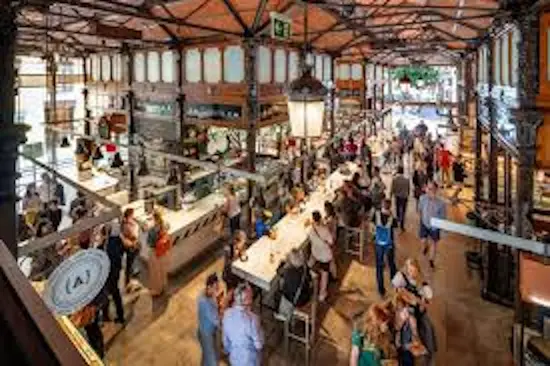
Spain: gastronomic routes and destination-markets
Spain is one of the most complete examples of strategic gastronomic tourism, building its image on three pillars: Food Routes, markets and Michelin chef-ambassadors. Thematic routes such as the Ruta del Vino (Ribera del Duero, Rioja) and the Ruta del Queso transform entire regions into gastronomic parks, where the traveler does not simply sample a winery or cheesemaker, but stays, participates in festivals and discovers the place through its flavors.
At the same time, traditional markets such as Mercado de San Miguel in Madrid and La Boqueria in Barcelona have evolved into gastro-markets, spaces where visitors can taste on the spot, socialize and share the experience online, enhancing international visibility. Complementing this image are regions with a strong presence of high gastronomy—such as the Basque Country—investing in the reputation of top chefs and restaurants, attracting high-spending travelers who design entire trips around food.
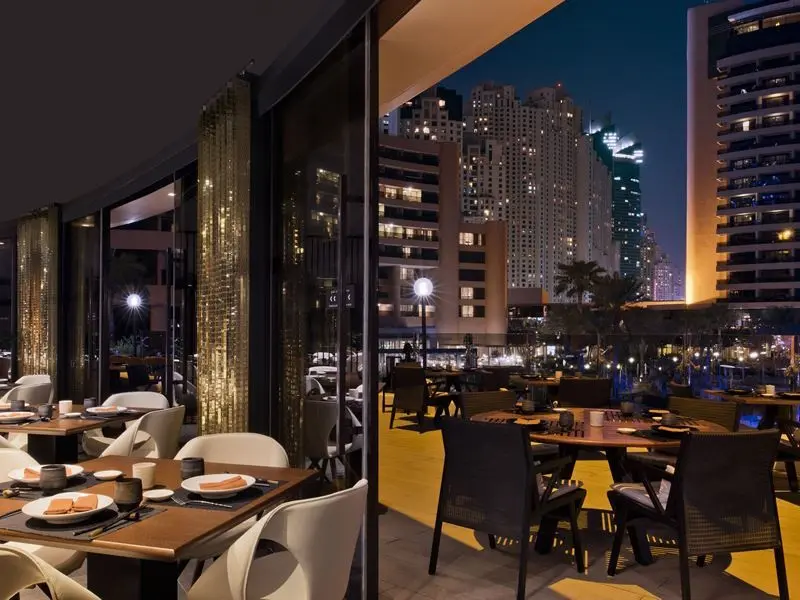
Dubai: luxury and brand names
Dubai follows a completely different, yet equally targeted path. Here, gastronomy is part of its image as a cosmopolitan luxury metropolis. A strategy based on: the arrival of the Michelin Guide in 2022 as a result of strategic collaboration, the attraction of international chefs and brands (Gordon Ramsay, Alain Ducasse, etc.), and the use of Michelin Stars and awards as marketing tools, alongside attractions such as the Burj Khalifa.
At the same time, Dubai promotes its multicultural identity through a fusion cuisine representing 200+ nationalities, food festivals and events showcasing everything from street food to fine dining. The goal: to establish itself as a global gastronomy hub where visitors can taste, in a single city, flavors from three continents.
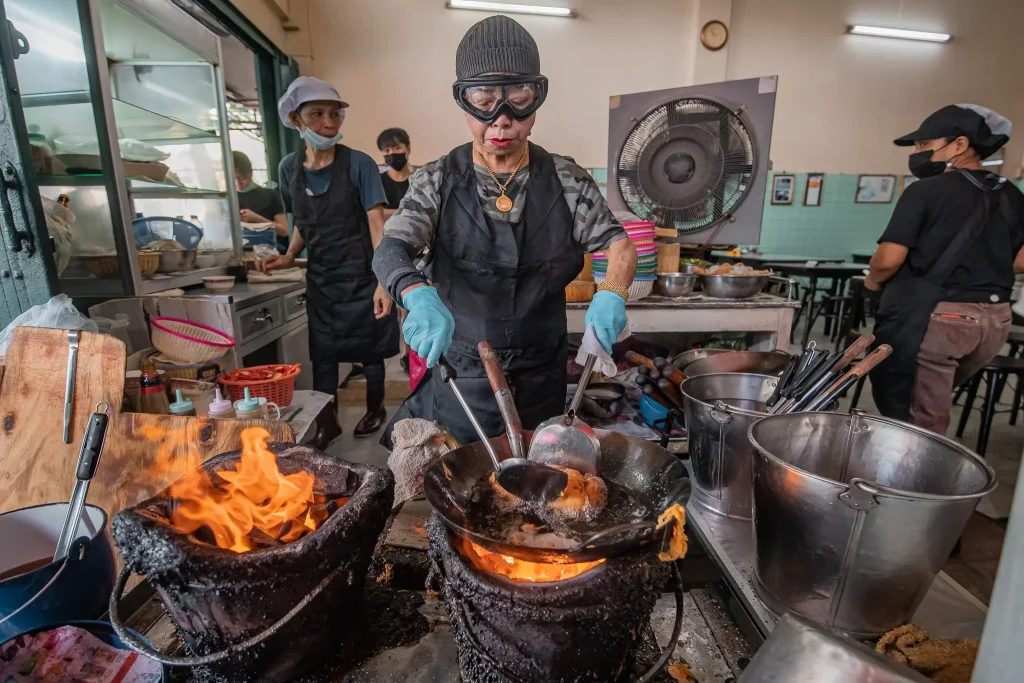
Thailand: street food with a stamp of quality
Thailand leverages one of its most recognizable assets: street food. It has elevated it into a national brand and tourism product, breaking the barriers between “informal” and “high” gastronomy.
The Michelin Guide recognizes and awards street vendors, with the emblematic example of the queen of street food, Jay Fai in Bangkok, who earned a Michelin star for her crab omelet. At the same time, the state invests in hygiene and safety certifications, making street food not only appealing but safe for Western visitors.
The strategy extends beyond the capital. Thailand promotes regional cuisines, such as the spicy dishes of Isaan or the cuisine of the North, creating gastronomic routes that lead travelers to smaller towns. In this way, it connects gastronomy with easing pressure on over-touristed areas.

Oman: authenticity and the ritual of hospitality
Oman, in contrast to neighboring Dubai, promotes an image of calm, authentic Arabian hospitality. Gastronomy acts as a vehicle for showcasing cultural heritage.
The emphasis is on traditional Omani cuisine, with dishes such as shuwa (meat slow-cooked in an underground oven) and cultural dining experiences where visitors are hosted in traditional homes. There, they enjoy not only the food but the entire preparation ritual.
A central role is also played by the culture of coffee and dates (qahwa and dates). Cardamom coffee and the different varieties of dates are presented as must-try experiences, often incorporated into the welcome ritual at hotels.
As demonstrated at WTM 2025, Greece has every reason to bring its local cuisine to the forefront: not merely as an accompaniment to the experience but as an invitation to explore, through wine and olive-oil routes, gastronomic journeys on islands and mainland destinations capable of attracting a higher-quality, less mass-market tourism audience, from Michelin restaurants to street food.





