


In 2026, gastronomy takes a turn that feels almost relieving. After years in which food was often designed to perform on social media feeds, the new year places meaningful enjoyment at the center: fewer embellishments, more health, authenticity, and technology that solves problems instead of merely showing off.
Nutrition that regulates the body
Nutrition is no longer a one-dimensional diet and is transforming into body optimization: energy, satiety, mood, sleep, and stress regulation.
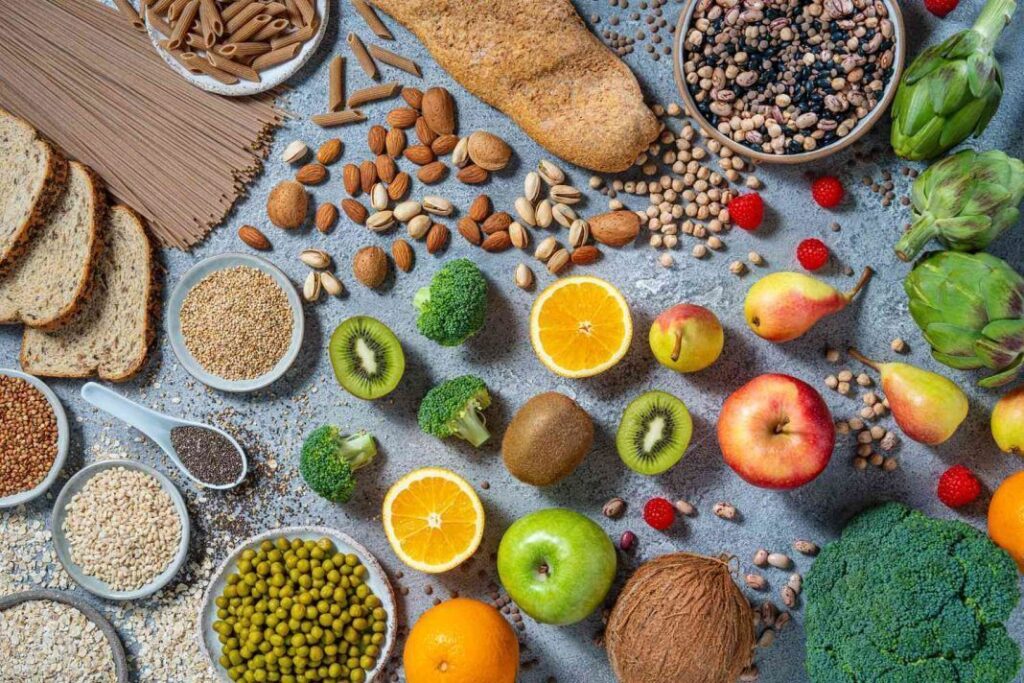
Fibermaxxing: dietary fiber becomes the new super-ingredient. As GLP-1type medications (blood sugar regulation) change the habits (and appetite) of many consumers, demand rises for foods that create natural satiety and support better gut function.
Protein everywhere: it moves beyond gym culture and enters snacks, coffees, and desserts, with a shift toward more natural sources. Halloumi, for example, is emerging as a filling alternative that can replace meat-based dishes.
Meals for the gut and the brain: foods that support the microbiome and reduce stress. Plant substances such as ashwagandha (an Ayurvedic herb) are appearing even in soft drinks, while recipes that work positively for the gut promise a gentler daily routine.

Return to the roots
After the phase of the laboratory miracle and ultra-processed alternatives, 2026 shows fatigue with the overly artificial. Audiences want real raw materials and flavors with memories.
Authentic plant-based: no more plant-based burgers pretending to bleed. Dishes that highlight vegetables take center stage, such as mushroom steaks, roasted cauliflower, and the strong return of cabbage as a leading ingredient.
Heritage cooking: chefs cook based on personal history and local traditions. Less trendy recipe, more this is how I ate it as a child / this is how my grandmother made it / this is how it was cooked where I come from.
New taste experiences: flavor becomes play again
Creativity does not stop. It simply becomes more flavorful and less staged.
Layered heat: spiciness gains layers. We are no longer looking for simply hot, but for peppers with fruity, smoky, or citrus notes, with combinations such as Mexican guajillo and Caribbean scotch bonnet.
Umami renaissance: the fifth taste dominates. Garum returns to fine dining restaurants, while miso and seaweed even find their way into sweet applications.
Swavory (sweet & savory): the trend that embraces sweet-salty flavors: caramel with miso, tahini in soft serve, maple syrup with kimchi.

Technology & AI: from gimmick to tool
In 2026, AI stops being experimental. It becomes functional, everyday, and practical.
Personalized menus: applications that suggest meals based on real-time biological data, not generic healthy, but personalized and relevant for that day.
Smart operations: restaurants using AI to reduce waste, better organize supplies, and optimize pricing. Technology that is not visible on the plate, but makes the system smarter.

New ways to go out (and eat)
Everyday lifestyle trends now shape the menu.
Solo dining: the economy of one is growing. More bars, seating, and menus designed for one person adapt to this broader need.
Low/No-Alc together: zebra striping: alternating alcoholic and non-alcoholic drinks during the same outing becomes the new standard. More social, more balanced, with an emphasis on wellbeing.
Global pancakes: brunch goes international. After Japanese pancakes, traditional pancakes from around the world arrive, from Venezuelan cachapas to Korean hotteok.
In 2026, food becomes more honest. Less noise, fewer unnecessary products, better raw ingredients, and a new goal: to eat in a way that makes us feel better physically and mentally, without losing the joy of flavor.





