


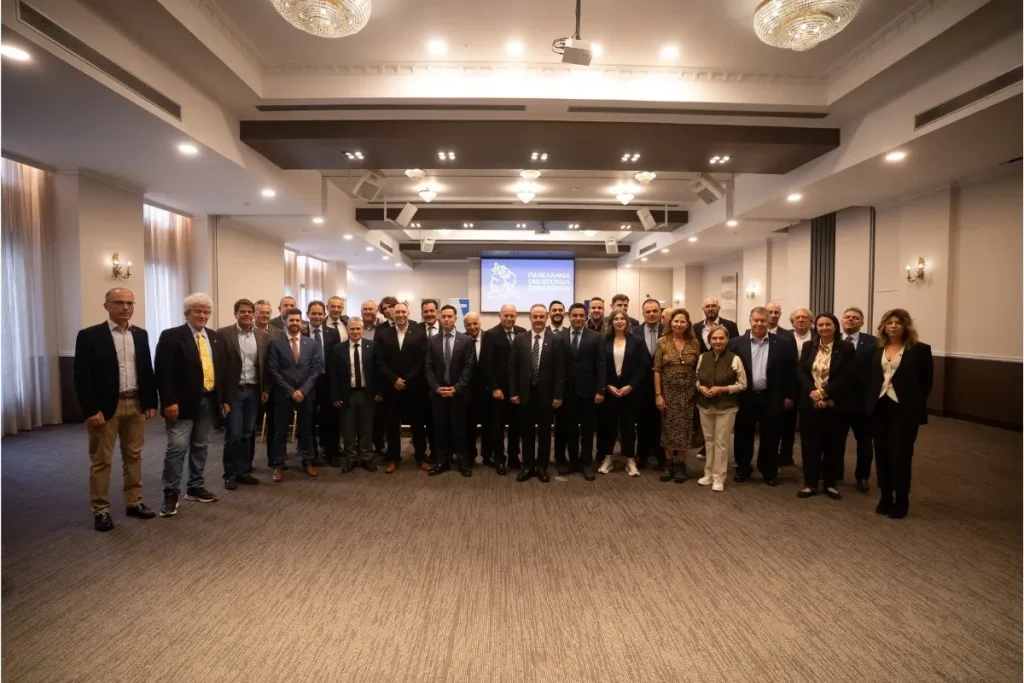
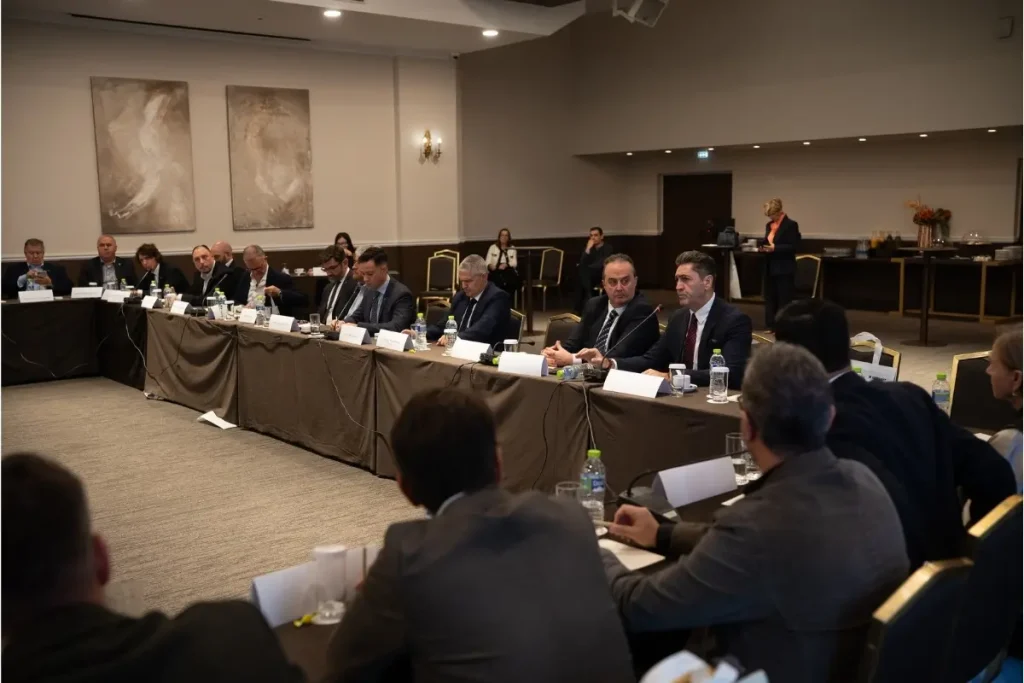
With a strong message of unity and strategic alertness, the Council of Presidents of the Panhellenic Hoteliers Federation (POH), which this year marked a historic record of participation, concluded in Thessaloniki. The unprecedented presence of presidents confirmed the need for unity and common targeting in a period in which the sector is called upon to respond to several complex challenges.
The discussion was dominated by the basic issues that concern hoteliers, which are: infrastructure, staffing, taxation, short-term leasing and the State’s acceptance of the strategic role of the hotel in the economy. As highlighted, the sector now has a unified and strong voice that demands solutions and sets a perspective.
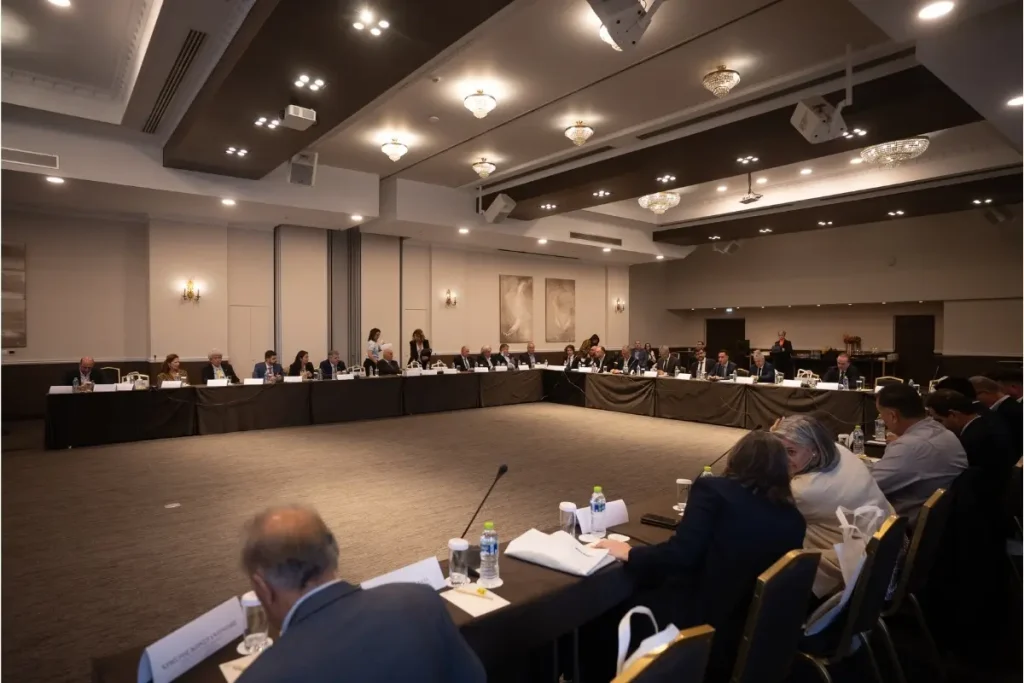
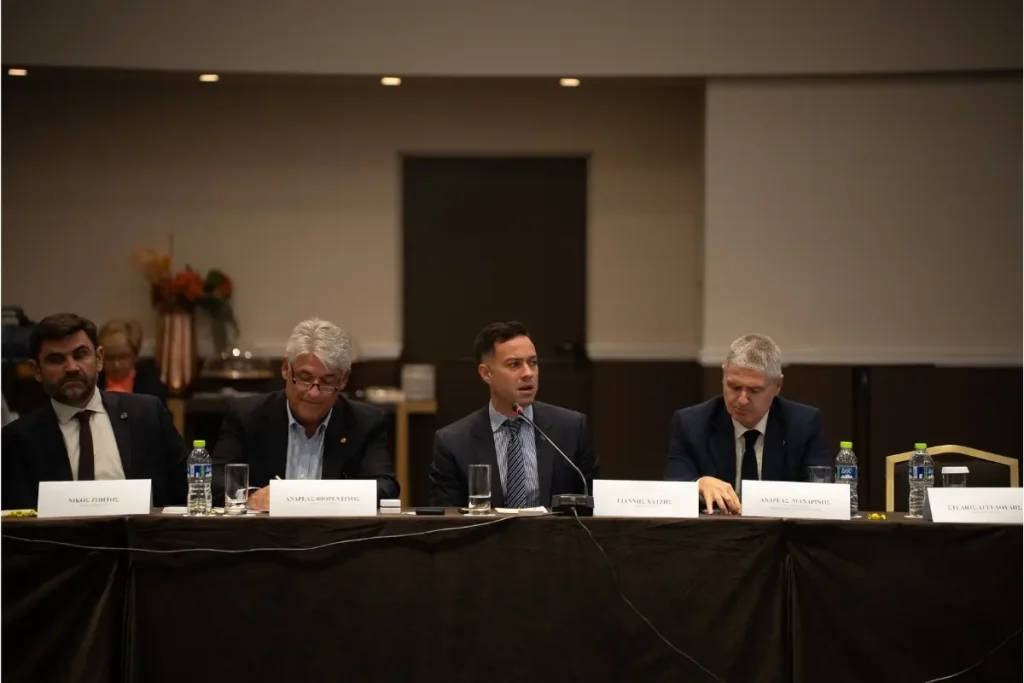
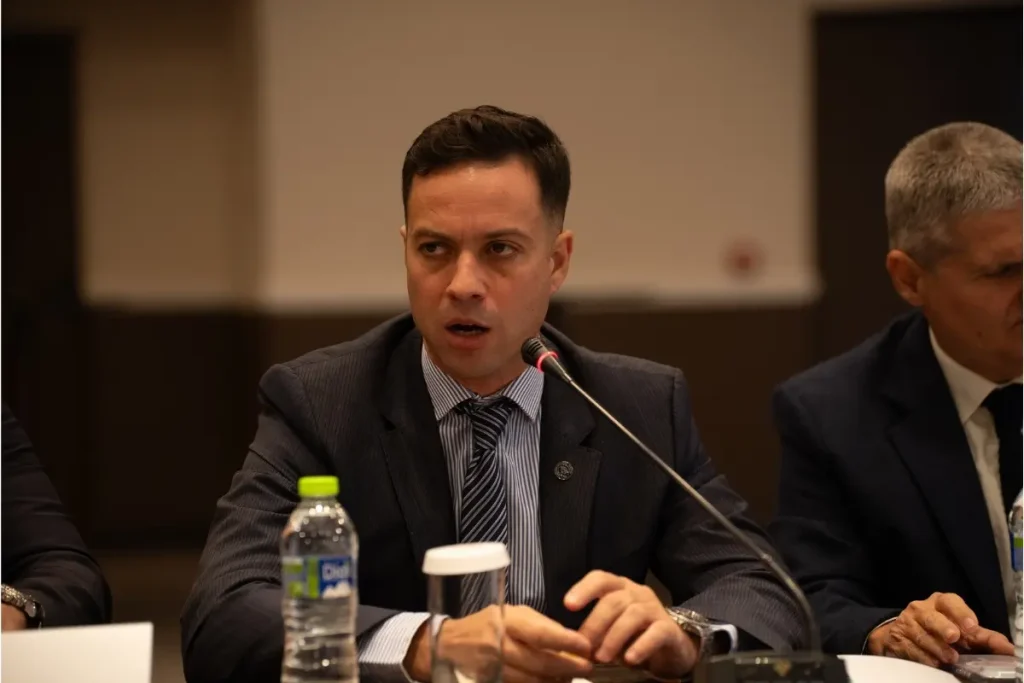
Before the Council of Presidents, the president of POX, Yiannis Hatzis, met in Thessaloniki with journalists on the sidelines of the 40th Philoxenia – Hotelia, giving a clear picture of the state of Greek tourism. “Greek tourism is not facing a demand crisis, but a maturity crisis,” he emphasized, noting that the overdependence on two key markets – England and Germany – and the absence of a targeted strategy leave the sector “on autopilot.”
“We must put our hands in our pockets if we want to continue to have positive results in tourism,” he noted, warning that without investments in infrastructure, product and human resources, current figures cannot be taken for granted. “We need a Greece with modern infrastructure, functional for residents and visitors; a Greece that uses its comparative advantages with planning and seriousness,” he added.
The big “thorns”: staff, SMEs, Airbnb
The president of POX highlighted the inability to find staff as the number one problem, warning that the issue is now directly threatening the operation of many units. The second critical issue concerns the reduced willingness of young people to continue family businesses – a phenomenon that directly affects the Greek hotel industry, which traditionally consists of small and medium-sized units, with an average size of 47 rooms.
At the heart of the discussion was also the uncontrolled rise in short-term rentals. Mr. Hatzis cited Rhodes as a typical example, where from 2018 to the present, Airbnb beds have exceeded 60,000, without a corresponding increase in hotel beds and without meeting the standards applicable to hotel businesses.
At the same time, he spoke of the absence of a national vision for tourism and of a sector that, despite its contribution to GDP and employment, has not been clearly integrated into the country’s production model.
Positive in 2025, but with concerns about spending
Referring to this year’s footprint, the president of POX described 2025 as positive, noting that September and October performed better than initial estimates, which is reflected in the airport passenger traffic data.
“The last three weeks of October were impressive. In many major destinations, arrivals increased by 40% – 50%, even 70% compared to last year,” said Mr. Hatzis, emphasizing, however, that “these are small numbers in absolute terms, but the trend is clear and shows that the season is moving towards the third and fourth quarters of the year.”
For the entire year, tourism revenues are expected to increase by approximately 5% – mainly due to inflation – and arrivals by around 6%. However, the stagnation of per capita spending is a concern, an element that confirms the need to upgrade the product.
Thessaloniki: high arrivals, lower occupancy rates
Mr. Hatzis also referred to Thessaloniki, pointing out that the strong passenger traffic at Macedonia Airport does not translate proportionally into occupancy rates at the city’s hotels. Many visitors are heading to other destinations, mainly Halkidiki, while a large part of the demand is absorbed by short-term rentals.
Outlook for 2025
For the new year, the president of POX appeared cautiously optimistic, but warned that the wait-and-see attitude of the British due to possible new burdens requires careful management.





