


The 6th Architecture and Tourism Conference, under the auspices of the Municipality of Chania, returns to the iconic Grand Arsenal in Chania on November 22nd, with this year’s theme “Humans and Algorithms”. The conference attempts to shed light on the way in which entrepreneurship, architecture and technology meet, transforming data, knowledge and creativity into tools for policy, inspiration and sustainable development. At this point, it should be emphasized that this year’s event highlights two characteristic panels, which capture the pace and transition of cities and tourist destinations in the new era.
The first panel, entitled “Geospatial Data – A New Way for Decision Making in Architecture”, will take place from 13:05 – 13:35 and will highlight the role of geospatial data and “digital twins” in architecture and urban planning. With the participation of Nikos Hazirakis, Gabriel Mavrellis and Valina Geropanda, the discussion will focus on how technology can support decision-making and strengthen the resilience and cultural identity of a city like Chania. What does a digital twin of the city mean, what decisions does it help Urban Planning make and how does it improve the everyday life of citizens; questions that will be raised under the coordination of Andreas Theodoridis, PhD, and the co-organizer of the conference.
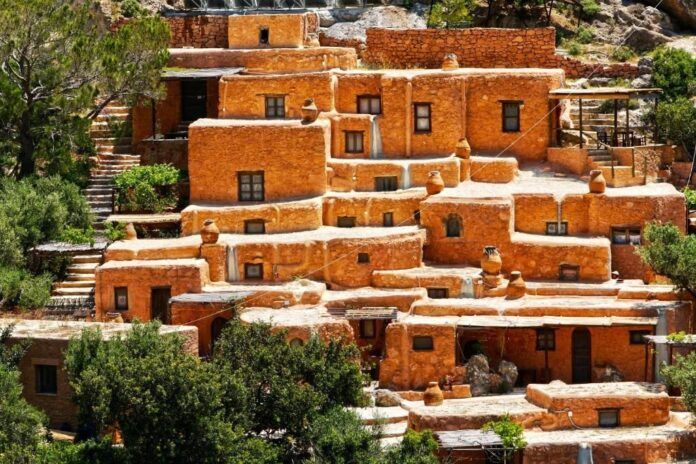
The second panel follows, “From Abandonment to the Future: Villages, Architecture and the New Ethos of Hospitality” (17:35 – 18:10), curated and coordinated by Isabella Zampetaki. The discussion brings together Eleni Tsigarida (ETSI Architects), Markos Skordalakis (Thalori Retreat / Thalori Guesthouses), Myronas Toupoyannis (Kapsaliana Village Hotel), Aliki Dialyna (Guesthouses Vasilikata) and Myrto Botsari (Aspros Potamos), in a rare meeting of experiences around the revival of abandoned settlements. From Crete to the Peloponnese, villages that had been silenced are regaining their voice, transforming into fields of authentic hospitality and sustainable entrepreneurship. Architecture ceases to create new volume and then turns to the reactivation of the existing and the integration of the visitor into the place as an experience and community. The albergo diffuso model is presented as a modern example of the coexistence of authenticity, environmental responsibility and economic sustainability.
It is worth noting that the Architecture and Tourism Conference has evolved into an institution for Chania and the wider tourism community of Crete, as it unites knowledge with practice and brings together professionals, architects, academics and people from the tourism industry. With the human being and new technologies as its central axis, the conference calls for an open dialogue on the future of cities, villages and hospitality.





