


Celestyal, during the ESG Shipping Awards 2025 The Conference – Sustainable Shipping: “ESG Leadership in a Time of Uncertainty”, which took place yesterday at the Zappeion Megaron in Athens, made a significant intervention, highlighting its experience in the adoption of biofuels, as the first company to implement it in practice in Greece. In the context of the panel “Shaping Together the Future of Sustainable Shipping”, Mr. Konstantinos Tsigaras, Managing Director of Coral Marine, referred to Celestyal’s pioneering approach to the use of biofuels, addressing Chrysanthos Chrysanthou, VP Technical of Celestyal, and underlining the company’s role as a model of sustainable shipping in the cruise sector.
Celestyal, implementing its strategic plan, started using biofuels across its fleet this year.
The company consumed approximately 2,000 metric tons of B24 in total in 2025, without any technical issues.
The shipping industry is facing an increasingly stringent regulatory framework, with the FuelEU Maritime Regulation coming into force later this year. Mr. Chrysanthou stressed that compliance costs are already significant and are expected to increase by up to 50% due to compliance with the new regulations in 2026, creating a major challenge, especially for existing ships. He said: “The use of biofuels has emerged as a practical and sustainable transitional solution. Their role becomes even more critical after 2030, when greenhouse gas (GHG) emission intensity limits will become much stricter.
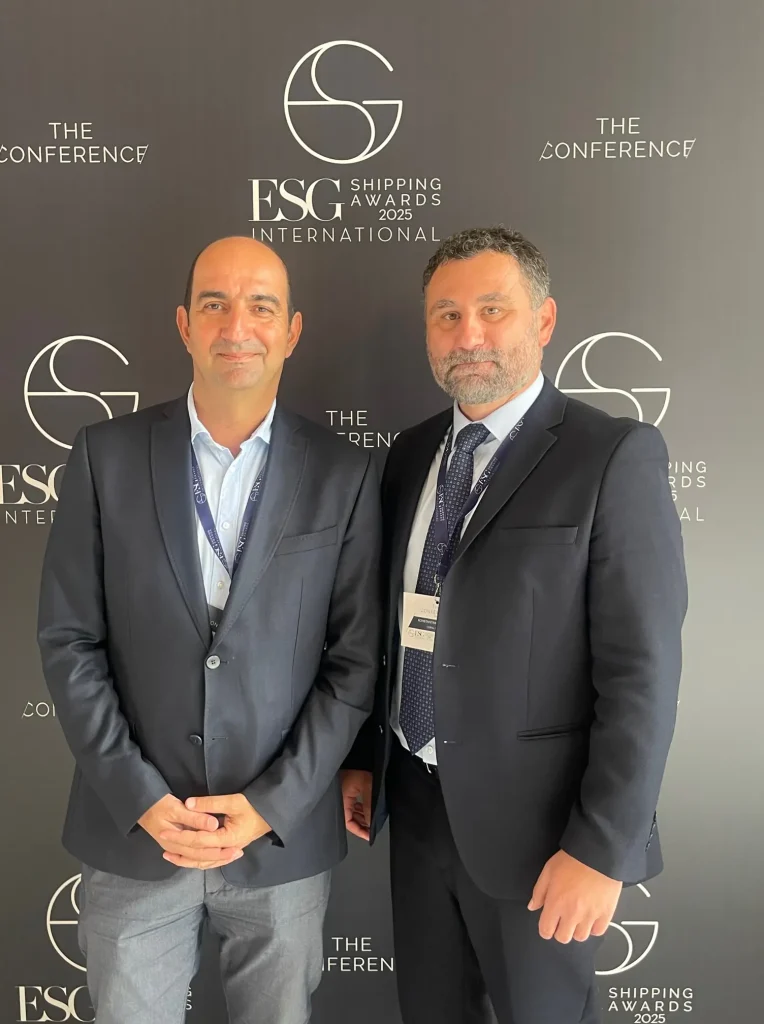
From left: Chrysanthos Chrysanthou, VP Technical, Celestyal and Konstantinos Tsigaras, Managing Director, Coral Marine
The importance of strategic partnerships to scale sustainable solutions, such as ours with Coral Marine, has ensured reliable, certified biofuels with full traceability and a secure supply chain.”
Planning for the future, Celestyal plans to:
- Gradually increase blending ratios where feasible.
- Explore advanced biofuels such as HVO and second-generation FAME.
- Integrated approach with energy efficiency measures such as low-friction hull coatings and real-time energy monitoring.
“While regulatory pressure is high and increasing, biofuels have proven to be a reliable, immediate and effective tool in our journey towards compliance and sustainability,” concluded Mr. Chrysanthou.
“As there is still no universal and stable framework to support the green transition in shipping, the scaling up of alternative fuel production remains limited. For the immediate and medium-term future, the market will continue to need blends of conventional fuels with biofuels. For our part at Motor Oil, we are investing substantially in the development and distribution of reliable, certified biofuels, in order to support the sustainable development of the sector in practice”, emphasized Mr. Konstantinos Tsigaras, Managing Director of Coral Marine.
The panel, in addition to Mr. Tsigaras, also included: Matthew Lodge, His Majesty’s Ambassador to the Hellenic Republic, Nikos Avlonas, V. President, Corporate Responsibility Institute (CRI), Christopher Rex, Head of Sustainability & Research, Danish Ship Finance and Nektarios Demenopoulos, Public and Investor Relations Chief Deputy Manager, O.L.P./COSCO SHIPPING.





